


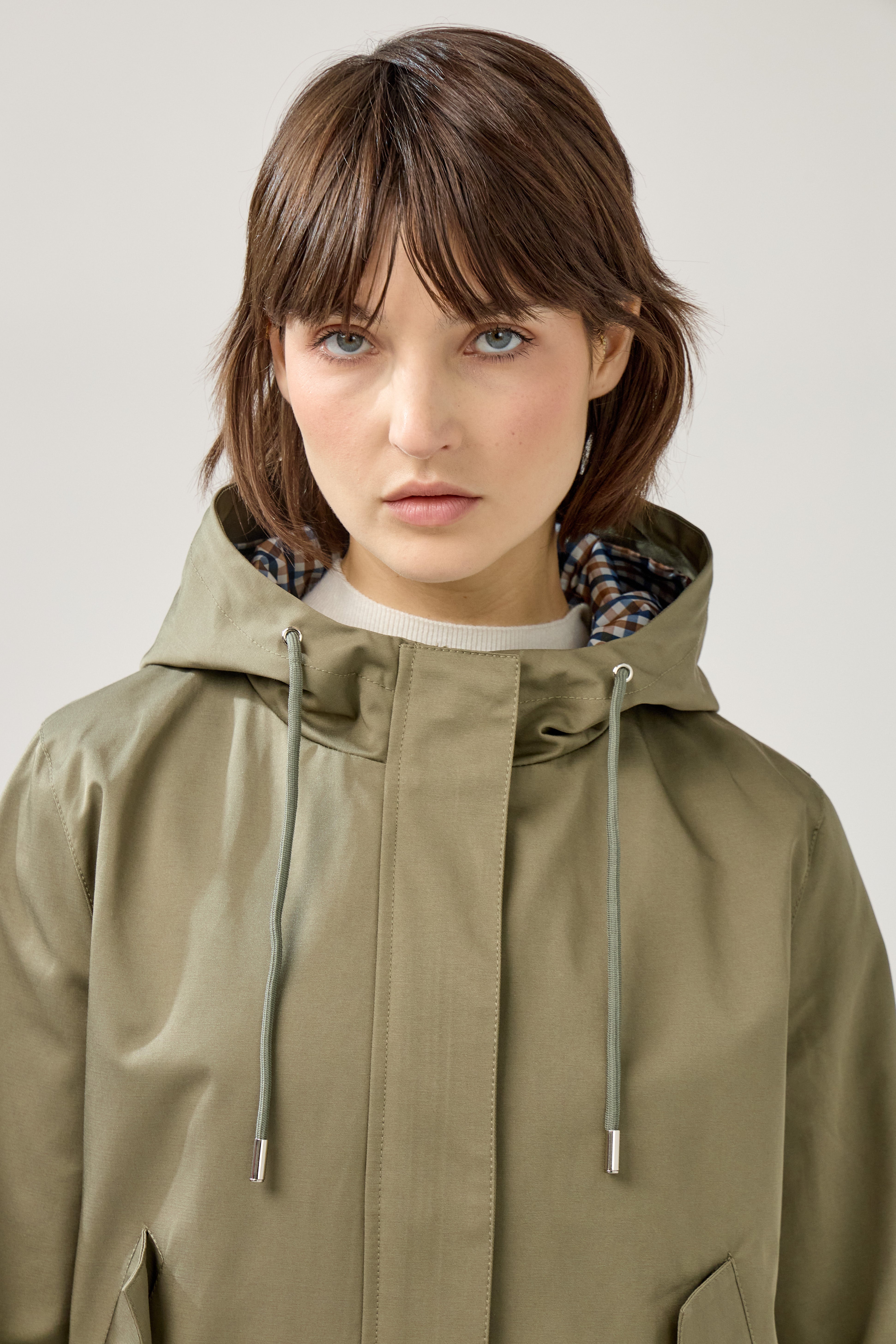
Linen vs Cotton Jacket: The Complete 2026 Transitional Season Buying Guide
Choosing between a linen vs cotton jacket for the transitional season can seem complicated, as these two natural fibres have such distinct characteristics. While linen evokes relaxed elegance and freshness, cotton reassures with its versatility and ease of care. This decision affects not only your everyday comfort, but also your environmental impact and your budget. In this complete guide, we break down the properties of each material to help you make an informed choice based on your specific needs.
Comparing properties: linen vs cotton for jackets
Linen and cotton have fundamentally different characteristics that directly affect the comfort and use of a transitional jacket.
Breathability and thermal regulation
Linen excels at thermal regulation thanks to its naturally airy fibre structure. This property makes it a preferred choice for the mild temperatures of spring and autumn. Linen fibre allows excellent air circulation, effectively wicking away body moisture.
Cotton, although breathable, offers more moderate thermal regulation. Its greater density provides a more constant feeling of warmth, ideal for cooler transitional days.
Fabric texture and drape
Linen's texture is defined by its naturally crumpled look and initial stiffness, which softens over time. This gives linen jackets a relaxed, authentic style, perfect for a casual-chic look.
Cotton has a smoother, more uniform texture, offering a more structured drape. Cotton jackets hold their shape better and look more formal, adapting to a variety of occasions.
Pros and cons of each material
The strengths of linen for jackets
- Natural freshness – ideal for warm transitional days
- Antibacterial properties – limits odours and keeps you fresh
- Exceptional durability – improves with time and washing
- Timeless style – brings natural, relaxed elegance
- Eco-friendly – a fully biodegradable fibre that uses few resources
The limitations of linen
- Creases quickly – requires more attentive care
- Initial stiffness – may feel stiff the first few times you wear it
- Higher price – generally more expensive than cotton
- Limited availability – fewer varieties and colours available
The advantages of cotton
- Versatility – suits many occasions and styles
- Easy care – simpler washing and ironing
- Instant comfort – natural softness from the first wear
- Variety of finishes – a wide range of textures and colours
- Affordability – options for every budget
The drawbacks of cotton
- Moisture retention – dries more slowly than linen
- Possible loss of shape – can stretch over time
- Environmental impact – often grown with intensive use of water and pesticides
- Less breathable – can feel stifling in warm weather
Choosing according to use and season
For spring and summer
In the warmer seasons, the linen vs cotton jacket debate leans clearly in favour of linen. Its ability to wick away perspiration and keep you feeling cool makes it the optimal choice for sunny transitional days.
Cotton remains a viable option for cooler evenings or air-conditioned environments, where its insulating ability becomes an asset.
For autumn and mild winters
In autumn, cotton regains the advantage thanks to its ability to retain body heat. Jackets in thick or brushed cotton offer optimal comfort in cooler temperatures.
Linen can still work in early autumn, especially when layered with other garments.
Professional vs casual use
For professional use, cotton generally offers a neater, more formal presentation. Its resistance to creasing makes it easier to maintain an impeccable appearance throughout the day.
Linen is perfectly suited to relaxed and creative environments, where its natural, authentic style is appreciated.
Durability and environmental impact
Jacket longevity
Linen offers exceptional durability. Linen fibres grow stronger with washing, allowing quality jackets to last for decades. This longevity more than makes up for the higher initial investment.
Cotton also offers good durability, depending on the quality of the fibre and the weave. Superior-quality cottons can rival linen in terms of longevity.
Ecological footprint
Linen stands out for its minimal environmental impact. Growing flax requires little irrigation and uses the whole plant, generating no waste. What's more, flax naturally enriches the soil.
Conventional cotton has a heavier environmental impact, particularly in terms of water consumption and pesticide use. However, organic cotton offers a more environmentally friendly alternative.
Care compared: ease and longevity
Washing and drying
Linen jackets require delicate care. Washing at a low temperature (30°C maximum) and air drying preserve the fibres. Iron on slightly damp fabric to make removing creases easier.
Cotton tolerates a wider range of washing conditions. Most cotton jackets can withstand higher temperatures and tumble drying, considerably simplifying everyday care.
Storage and preservation
Linen is easy to store and naturally resistant to moths. It requires no special storage precautions, other than avoiding prolonged sharp folds.
Cotton requires similar care, with extra vigilance regarding humidity, which can encourage mould.
Price and value for money
Initial investment
Linen jackets generally represent a bigger investment, with prices starting at around €80–120 for decent quality and reaching €300 or more for high-end pieces.
Cotton jackets offer a wider price range, from €40 for entry-level designs to €200 for premium models, making this option more accessible.
Long-term cost
Despite a higher purchase price, linen can prove more economical in the long run thanks to its exceptional durability. A quality linen jacket can easily last 10 to 15 years with proper care.
Cotton offers excellent immediate value for money, particularly for those who regularly refresh their wardrobe.
Buying advice: how to choose the right jacket
Assess your needs
Before settling the linen vs cotton jacket debate, clearly define your priorities:
- Frequency of use – everyday or occasional
- Context – professional, casual or both
- Local climate – usual temperatures and humidity
- Available budget – initial investment and care costs
- Personal values – the importance you place on environmental impact
Quality criteria to check
For a linen jacket, check the density of the weave, the finishing of the seams and the origin of the fibre. European linens (French, Belgian, Irish) are generally of superior quality.
For cotton, favour long fibres (combed cotton) and tight weaves. Organic certifications (GOTS, OCS) guarantee a reduced environmental impact.
Fitting and fit
Always try the jacket on before buying. Linen may feel stiff at first but should allow sufficient freedom of movement. Consult the size guide for an optimal fit.
For more information on care and durability, feel free to consult our detailed FAQ page.
Conclusion: making the right choice for your wardrobe
The choice between a linen vs cotton jacket ultimately depends on your personal priorities and lifestyle. Linen is the clear choice for those who value freshness, durability and minimal environmental impact, despite more demanding care and a higher price. Cotton remains the pragmatic choice for its versatility, ease of care and affordability, and is particularly well suited to the varied needs of everyday life.
Whatever you decide, investing in a quality jacket remains the best way to combine style, comfort and durability. Explore our selection at escandelle.com to discover authentic pieces that will accompany you through the seasons with elegance.


Leave a comment
This site is protected by hCaptcha and the hCaptcha Privacy Policy and Terms of Service apply.